Pathology|7 Aug 2024
Guide to Spore Tracking in Australian Crops by Season
Managing crop diseases is key to keeping Australian agriculture healthy and productive.

BioScout
4 Min ReadManaging crop diseases is key to keeping Australian agriculture healthy and productive. One of the best ways to tackle fungal diseases is through spore tracking, which involves monitoring and identifying fungal spores that can harm crops.
This guide explains how spore tracking supports farmers across the seasons. Effective monitoring of airborne diseases can cut down on crop losses and contribute to Australia's $60 billion agriculture industry. By understanding and applying seasonal spore tracking strategies, farmers can protect their crops, make better use of resources and maintain sustainable farming practices.
BioScout’s Next-Gen Spore Tracking Technology
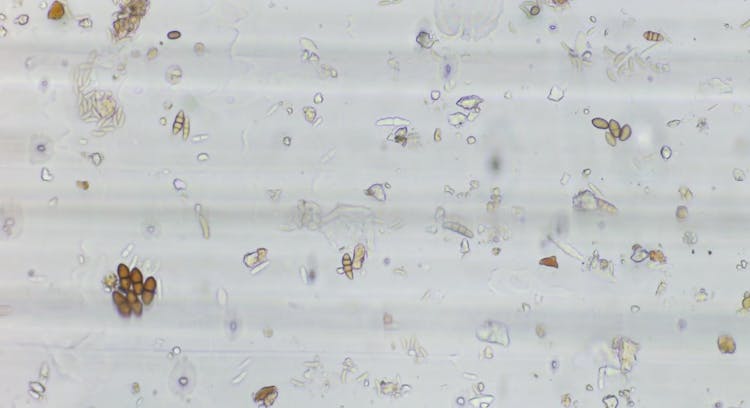
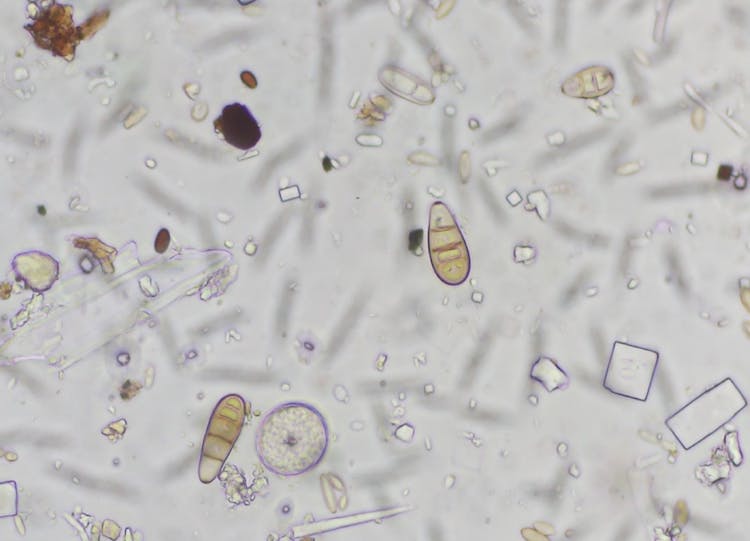
Spore tracking helps detect and monitor airborne fungal disease spores that threaten crop yield. By identifying spores early, sometimes weeks before the disease can be seen with the naked eye, growers can act quickly with precise timing of sprays to prevent or reduce the impact of crop diseases.
Australia's vast agriculture industry is a huge part of the economy. However, crop diseases, especially those caused by fungal pathogens, can lead to significant losses. For example, fungal diseases cost the Australian grain industry around $1 billion annually. Early and effective spore tracking helps cut those losses with timely warnings and better control over preventative measures.
Seasonal Variations in Spore Tracking
The effectiveness and focus of spore tracking can vary significantly depending on the season. Each season presents unique challenges and opportunities for managing crop health.
Spring: Preparing for Growth
Spring is an important time for spore tracking as many crops begin to grow, and the weather conditions favour the spread of fungal spores.
- Monitor weather conditions: Increased rainfall and humidity in spring create ideal conditions for fungal spores to thrive.
- Early detection: BioScout acts as your eye when spores are hard to see at the microscopic level. Being vigilant spore traps early in the season can detect the presence of spores before they cause visible damage. Early detection allows farmers to act swiftly, reducing the risk of widespread infections and ensuring healthier crop growth throughout the season with well-timed sprays.
- Preventive measures: Based on spore data, farmers can apply fungicides preventively to protect young plants from potential infections. By targeting treatments precisely when and where they are needed, farmers can avoid unnecessary applications, reduce costs and minimise the environmental impact of unnecessary sprays.
Summer: Managing Heat and Humidity
Summer in Australia brings a mix of hot, dry conditions in some regions and high humidity in others. These varying climates can significantly influence the types and quantities of fungal spores in the air, making spore tracking essential for effective crop management.
To effectively manage these threats, consider the following strategies:
- Constant monitoring of dashboard: Different fungal diseases release spores under different climatic conditions, daily monitoring will ensure spore thresholds are understood leaving room for timely action plans.
- Targeted treatments: Use spore data to apply fungicides at times when the spore loads are high. This precision reduces unnecessary chemical use, improves crop yields and prevention of chemical resistance, promoting more sustainable farming practices.
- Post-harvest management: Maintain field hygiene to minimise the chances of overwintering spores.
Winter: Reducing Overwintering Spores
Winter varies widely from region to region, with some experiencing cold and wet conditions while others remain relatively mild.
Key strategies for winter spore management include:
- Identifying hotspots: Utilise spore data to pinpoint areas where spores are likely to overwinter. By identifying these hotspots, farmers can take targeted actions to mitigate the risk of spore survival.
- Field hygiene: During winter, it's crucial to clean up crop residues and other organic matter that can harbour overwintering spores. This helps to eliminate potential sources of infection before they can impact new growth.
- Preparing for spring: Winter spore data is invaluable for planning spring planting. By understanding the spore levels and types present, farmers can ensure their fields/orchards, vineyards etc are prepared and ready for the upcoming season.
Implementing the BioScout Spore Tracking Technologies
BioScout’s spore tracking technology provides advanced tools to help growers monitor and manage fungal spores. They include:
- Automated spore traps: Devices that continuously collect and identify spores, providing real-time data to farmers.
- Weather integration: Combining spore data with weather information to create a comprehensive picture of disease risks.
- Data dashboards: BioScout's user-friendly platform that delivers spore and weather data directly to growers’ desktops, enabling informed decision-making.
Q&A
Question: Why is early spore detection important for crop disease management?
Short answer: Early spore detection helps growers see fungal risk before crop symptoms show. That gives them more time to choose the right spray and lower the risk of wide infection or yield loss.
Question: How does spore tracking help reduce unnecessary fungicide use?
Short answer: Spore tracking shows when and where fungal spores are at high levels. Instead of spraying on a set schedule, growers can treat only when disease pressure is high. This can cut costs, reduce harm, and slow chemical resistance.
Question: Why do spore tracking strategies change by season?
Short answer: Fungal spores respond to seasonal weather such as rain, humidity, heat, and crop growth. Spring often needs early detection and fast action. Summer needs close watch on changing weather. Winter focuses on spores that survive the cold season and on planning for the next season.
Question: What role does weather data play in BioScout's spore tracking technology?
Short answer: Weather data shows the conditions that affect spore release, spread, and infection risk. When spore data and weather data are used together, growers get a clearer view of disease pressure and can make better crop decisions.
Question: How can winter spore tracking support spring crop planning?
Short answer: Winter spore tracking helps growers find spore levels, spore types, and likely hotspots before the next season starts. This can improve field hygiene, support residue control, and help prepare paddocks, orchards, and vineyards for healthy spring growth.
Spore tracking is an essential practice for Australian farmers to manage crop diseases effectively. By understanding seasonal variations and using our advanced technology, growers can protect their crops, reduce losses and ensure sustainable agricultural practices.
To know more about the BioScout technology, get in touch with the team.